• Blogs
  • Work
  • About
  • contact
Menu

Olympia McEwan

Portrait Painter / Nature Painter / FlowerGirlOM
  • Blogs
  • Work
  • About
  • contact

BLOGS

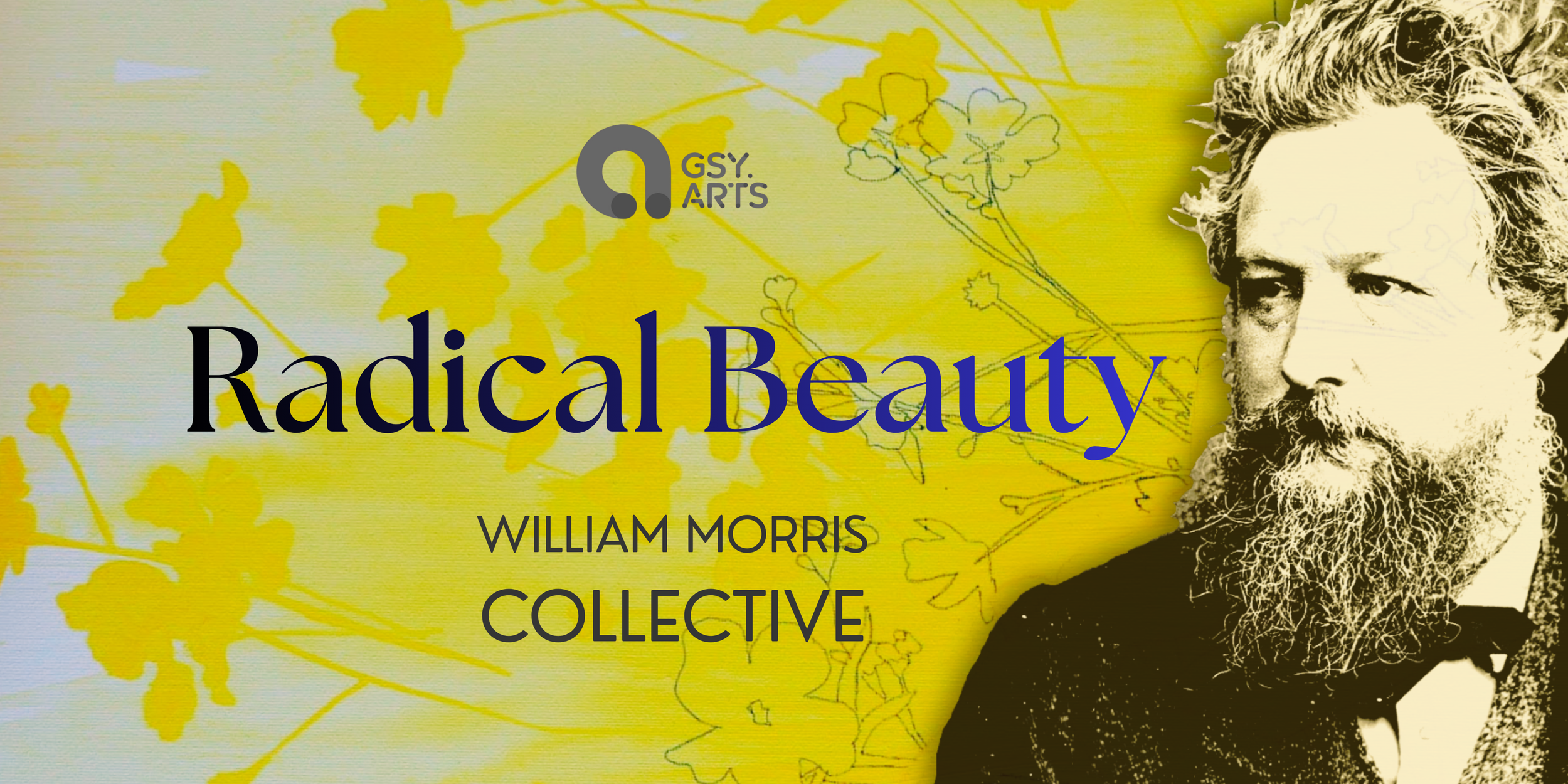
Social Media Banner designed by George McEwan

Radical Beauty - Arts & Crafts Revival brought to you by William Morris Collective

September 11, 2026

Radical Beauty celebrates handmade and meaningful creativity. Crafted with intention, each piece in this exhibition challenges societal notions of fast-paced productivity. In a world where many prioritise efficiency and speed, we embrace slowness. Considered, creative and conscious of the natural world, the artists and craftspeople in this show honour traditional artistry, craft and community.

Our setting, St Stephen's Church, is home to 13 stained glass windows designed by William Morris and his fellow creatives. Globally recognised designer, poet, author and social activist, Morris was also a founding figure of the British Arts & Crafts movement. As a collective, we feel humbled to have our work alongside these cherished windows, providing both the backdrop and the inspiration for this exhibition.

William Morris wrote extensively on the value of labour, and this show has truly been a labour of love - the combined work and passion of everyone involved in the William Morris Collective is clear to see. Thank you for joining us at the start of this journey.

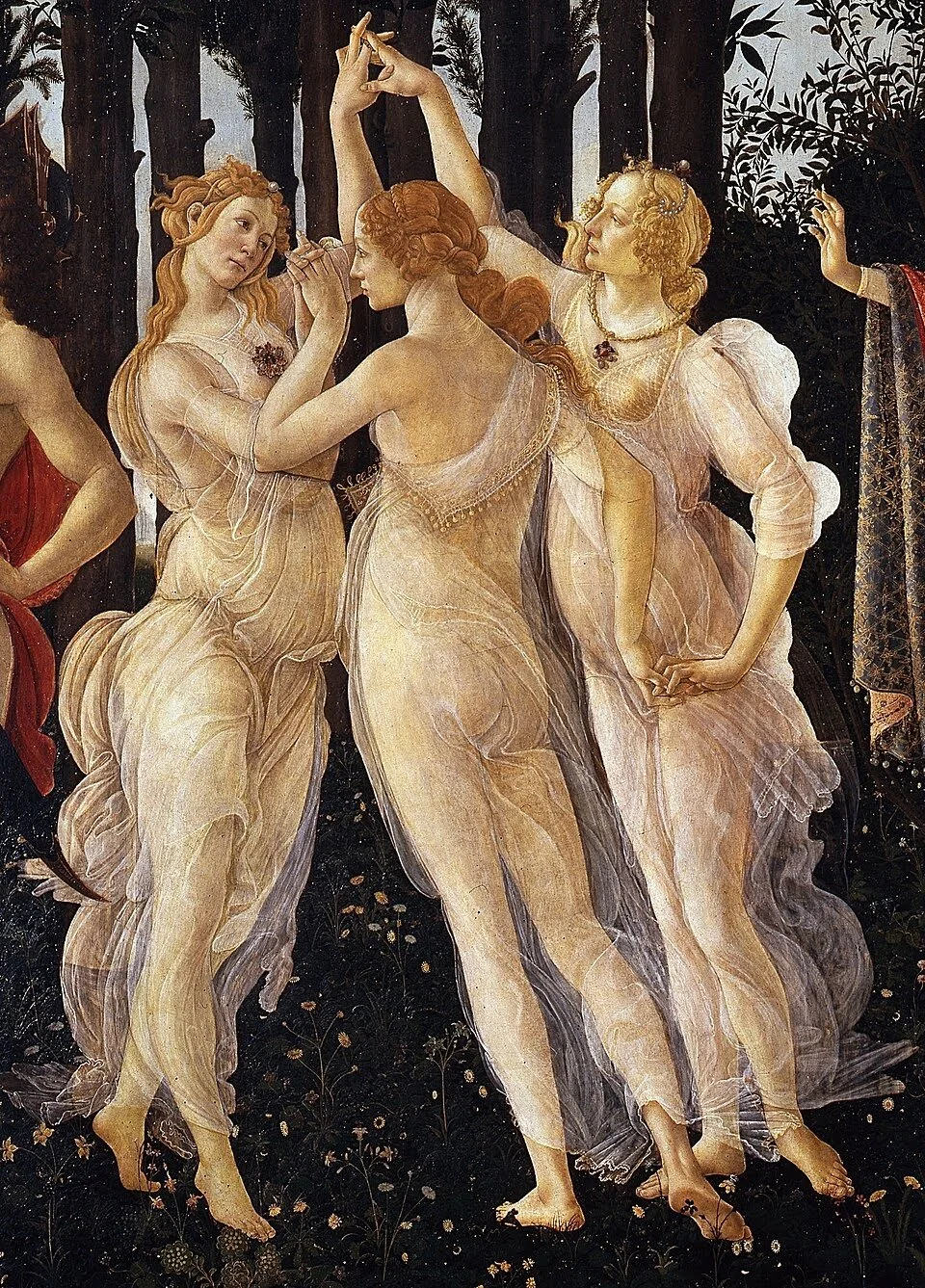
WMC Founder, in her own words, "We would like to thank the church for giving us such a warm welcome. We feel honoured to be sharing the space with these beautiful stained glass treasures. My painting for the exhibition is called The Three Graces, based on Primavera by Botticelli. In his painting, Botticelli's three graces are said to symbolise social joy, artistic inspiration and goodwill - all of which I hope are reflected in the ethos of this Radical Beauty exhibition." Olympia McEwan

About the William Morris Collective

William Morris Collective is a group of creatives brought together by an appreciation of William Morris, his work and his values. Our aim is to create an Arts & Crafts revival here in Guernsey, elevating the heritage crafts of our island and the work of local artists, rooted in honouring the beauty and fragility of the natural world.

Looking ahead, we hope to formalise our presence on the island as the Guernsey William Morris Society, and hope to collaborate further with Guernsey Arts Commission for a William Morris arts festival in 2028. 

If you'd like to be actively involved in this venture, please get in touch. We are also working towards charitable status, to help us support future exhibitions, events and community initiatives. You can message us using the CONTACT page on this website. Or send an email to; [email protected]

A portrait of William Morris by George Frederic Watts, 1870.

A dream of simpler times - a homage to William Morris

August 19, 2026

William Morris was born in 1834, and died aged 62, having influenced the world of British design, heritage, social change, and literature. His admirers included Queen Victoria & Prince Albert, George Bernard Shaw, and then later on, Tolkien and C S Lewis.

An interesting fact about William Morris is that he started out as a poet and was even asked by the Queen to be her Poet Laureate, after the death of Lord Tennyson. As poet and author, Morris began to explore the things that were of interest to him and how he wished to live his life. He didn’t make a living from his writing and needed to look after his wife and family, so he began to explore his other passions - business, the decorative arts and design. He soon realised he could make a pretty good living by creating stained glass windows for churches, and then went on to establish his homewares shop.

His first retail shop and showroom was originally called Morris, Marshall, Faulkner & Co. which then became his decorative arts company, Morris & Co. The business was founded with his Pre-Raphaelite collaborators Edward Burne-Jones, Dante Gabriel Rossetti and Philip Webb, affectionately called "the Firm". The Oxford Street storefront offered an innovative "all under one roof" retail experience, where customers could browse and purchase off-the-shelf homewares and interior decoration items - including handcrafted furniture (such as the famous Sussex chair), fabrics, printed cottons, wallpapers, carpets, decorative ceramics, and stained glass windows for the home.


Although William Morris is famous today for his designs for fabrics and wallpapers, in his own day he was known as the author of, The Earthly Paradise, an epic poem written as a collection of retellings of myths and legends from Greece and Scandinavia. Morris introduced these major Norse sagas and epics thanks to his friend, the Icelandic scholar Eiríkur Magnússon. Their pioneering translations included, The Story of Grettir the Strong, and The Story of the Volsungs and Niblungs. This was the first time Victorian Britons were presented with the foundational Norse myths, and it has been documented by scholars that without these translations, there may never have been Lord of the Rings, and we may never have heard of Narnia.


So Morris was obsessed with the old tales and was interested in taking us back to simpler times. A time before the industrial revolution, when everyone's lives could have been much happier and much more wholesome. He was saddened by the slums and poverty he saw around him, which made him quite political. He actively campaigned for the rights of the labouring classes - for their working conditions and their rights to a living wage. He became a member of the Socialist League, helping to write and print cheap, accessible printed materials - including penny pamphlets, manifestos, and the weekly journal Commonweal, featuring iconic graphic designs and woodcut headers created by the artist, Walter Crane.


At the beginning of his novel, News from Nowhere, when the time traveller wakes up in the future, one of the extraordinary things he finds is that people can swim in the River Thames, that London has been rewilded, the people are healthy and happy and there are woodlands throughout the city. Children are playing and camping out during the summer and there are communal gardens all along the river banks. He is saying to us - this is what we can aim for. He believed, if we can imagine it, we can make it happen - he was saying all of this, back in 1890. This is a vision that is relevant to us all today. A greener and more caring society. And a more hopeful vision for all of our futures.

Primavera (detail) by Sandro Botticelli, painted in the late 1470s or early 1480s / Tempera on panel / 202cm × 314cm / Located in the Uffizi Museum, Florence.

Botticelli, Morris and the Three Graces

August 12, 2026

My brain has just exploded… I’ve been watching a youtube Q&A about the short film, The Three Graces (released June 2026) https://youtu.be/_fyHZKAs9Yk?si=tu775AL-utCic2sU and it feels like my synapses have lit up like a Christmas tree! I want to pay tribute to screenwriter, actress and general awesome human being, Andreane Rellou, and all the crew involved in creating this short film, directed by Nicole Sarah Fry - which I hope to see when it’s on general release. I had no idea that the historical figures, Marie Spartali Stillman, Maria Zambaco and Aglaia Coronio were Greek, and known as The Three Graces. But not only were they Greek, they were Anatolian Greeks - the ethnic Greek population that lived in Anatolia (modern-day Turkey) for nearly 3000 years. This is my heritage too, on my father’s side. My father’s family were from a coastal town north of Smyrna (Izmir), called Kydonia (Ayvalik). 

So Marie,  Maria and Aglaia were associated with the Pre-Raphaelite movement and Victorian high society during the 1860s-80s. Marie Spartali Stillman had a long and successful career as a painter, Maria Zambaco was a talented sculptor and model for Edward Burne-Jones, and Aglaia Coronio was an embroiderer, art collector and patron of the arts. Their lives are a fascinating reminder of Victorian sensibilities and the discrimination of talented women, who became mere footnotes in the History of Art, as muses and exotic curiosities.

Whilst I was paying homage in my recent painting to Botticelli's Primavera - an important artwork for William Morris and an inspiration for his brotherhood - I was oblivious of the significance of the origins of the three figures in Botticelli’s painting as the three Charities of Ancient Greek mythology. It would appear I have stumbled into the depths of a story with so many personal resonances, of which I was completely unaware at the beginning of the process. I may have begun this piece from a purely intellectual conceptual perspective, but now it feels personal. That’s a kind of kismet, isn’t it?

My Three Graces painting will be on display in my William Morris Collective exhibition called Radical Beauty, coming soon this September. Although my Three Graces are based on the Botticelli painting, knowing the three Greek cousins were named after the three Charities is of real significance to me, adding to the narrative and process of the making of the piece.

As you may have gathered by now, I am currently obsessed with William Morris. And he was closely associated with the Pre-Raphaelite Brotherhood. He may not have been an original 1848 founder, but he had deep personal and professional bonds with key members such as Dante Gabriel Rossetti and Edward Burne-Jones, who together expanded their medieval ideals into the Arts and Crafts movement.

There is so much to learn around the subject of William Morris. I feel I will need a lifetime to explore this fascinating man, the era that he defined and the influences that still resonate and feel relevant to this day.

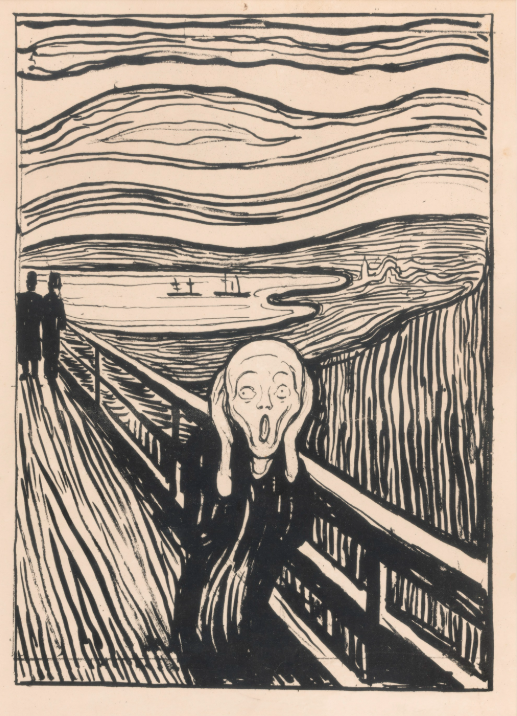
Edvard Munch, The Scream, 1895.

AI ALERT - AI hallucinates

June 14, 2026

“If this is happening to me, an AI expert, what happens to other people?”


This week I published a blog on a subject that I’d been researching and hurriedly included quotes to further strengthen the point I was trying to make. As it transpired, those quotes were bogus and in fact AI hallucinations.


It would seem this is another dirty secret at the heart of the AI industry - AI hallucinations! And it’s a fact not widely known amongst users. Especially those of us using on-line resources for research purposes.

On 22 Apr 2026, Mark Sweney wrote a piece in The Guardian, AI hallucinations found in high-profile Wall Street law firm filing. An elite law firm in New York had to apologise to a federal judge for a string of errors as a result of hallucinations generated by artificial intelligence. The co-head of the firm’s global restructuring group, apologised in a letter to the judge for a string of mistakes, which included inaccurate citations.

On May 24 2026, Tristan Bove wrote a piece for Fortune, AI hallucinations are infiltrating expert work - and entering the permanent body of knowledge. An associate professor at Columbia University’s School of Nursing had grown accustomed to having artificial intelligence tools help polish scientific papers for grammar, formatting, and other details. But a few weeks after submitting his latest research, the academic journal he was due to publish in, came back with questions about a reference. The AI tool Topaz had used inserted a fabricated source into his work. “I felt deeply embarrassed,” Topaz, who leads a team at Columbia developing AI applications in healthcare. “I’m an AI researcher. I know about hallucinations,” he said. “If this is happening to me, an AI expert, what happens to other people?”


Then two days ago, on June 12 2026, Elizabeth Bratton in London and Stephen Foley in New York, wrote for the Financial Times, A KPMG report on how AI is being used by businesses across the world exaggerated adoption of the technology with bogus case studies that appear to have been based on AI hallucinations. The October report, “Redefining excellence in the age of agentic AI”, made numerous false claims about the use of AI by organisations including the Swiss bank UBS, the UK’s National Health Service and the public transit groups Swiss Federal Railways and Transport for London. The inaccuracies were identified as AI hallucinations by the research group GPTZero and verified by the Financial Times. After being alerted to the issue, UBS said it would ask KPMG to remove the false claims, and the Big Four firm on Thursday pulled the report from some of its websites. Hallucinations are a growing problem across the professional services. Elite law firm Sullivan & Cromwell also admitted in April that a filing it submitted in a bankruptcy case contained numerous AI-generated inaccuracies, including misreadings of the US bankruptcy code.


What I’m beginning to grasp is that artificial intelligence is either A) at its core a servile sycophant, or B) overbearingly conceited. Could it be so eager to please that it will take a subject you’re researching and if it can’t find the data to support your enquiry, it will spit back utter nonsense, to bolster your point of view. Or if it is unable to retrieve the information you require from its universal knowledge bank, it will literally make sh*t up, rather than disclose that it's incapable of answering your query. Either way, it’s not a resource in and of itself. You have to dig deeper and read the articles it’s taking its references from, or you’ll come a cropper.


There is nothing more sacred for me than the written word. And what I’m beginning to understand is that if I read it on-line, I must do my due diligence. This space is not sacred - it hallucinates!

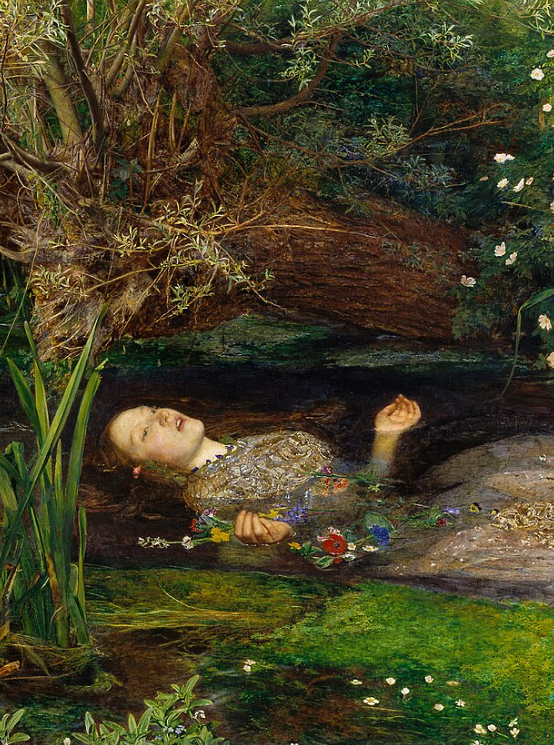
(Detail) Ophelia by John Everett Millais

Ophelia - a climate crisis allegory

June 12, 2026

I’m currently working on another painting loosely based on the subject of Shakespeare’s Ophelia. She is a young woman in his play, Hamlet. Ophelia’s life is gradually destroyed by the men around her, ending in her decline into “madness”, and ultimately her death. She is a symbol of innocence and vulnerability. And she is manipulated for political gain and strategic advantage. Her identity being dictated to her by the male members of her family, who control her every move.


Hamlet is a tale of the oppression of women in a patriarchal society but I also see it as a story with a wider meaning beyond its literal plot, it could be read as an allegory for the oppression of the natural world - by a small handful of men, subjugating the resources of the world for their own gain and political control. You could switch the name of “Ophelia” for “planet earth” - they could be totally interchangable in this context.


This theory is just a hunch of mine and the reading of this story as a new kind of allegory. To further bolster this idea as a modern interpretation of the character of Ophelia in Shakespeare’s play, I recently came across this quote by the academic and author, Stephanie E. Chatfield in her Ophelia in Culture essay, she writes;


“Ophelia is one of the most haunting figures in literature. She was born in Shakespeare’s Hamlet and reborn across centuries of art, poetry, film, and culture. Part of her lasting power is that every age seems to find its own reflection in her.”


The fascination of this subject matter, and the creation of the most famous of Victorian paintings, Ophelia by John Everett Millais, is another example of the interpretation of the story of Ophelia as allegory. The Pre-Raphaelites were obsessed with her;


“Nature Surrounds Ophelia, and Nature Was Their (the Pre-Raphaelites) Sacred Language:

When Ophelia falls into the river, she becomes part of the landscape. The flowers she carries, the water that holds her, the willow branch, they’re all symbols Shakespeare chose with care. The Pre-Raphaelites revelled in this natural vocabulary.


Millais famously painted the background of Ophelia first, on location, capturing moss, lilies, violets, forget-me-nots, river weeds - carefully observed English flora. This devotion to nature was part of the movement’s rebellion against the dark, idealised canvases of the Royal Academy (and the dark oppression of the world they saw around them during the era of the industrial revolution). Ophelia allowed them to merge human emotion with the living world.” Stephanie E. Chatfield


I’ve found this an encouraging read, supporting my theory of Ophelia as allegory for the climate crisis. And as each time period sees something different, Ophelia continues to be a mirror for our deepest and darkest concerns and reflections on contemporary life. It would seem Ophelia is an ever potent allegory, for us all to interpret, in every era.

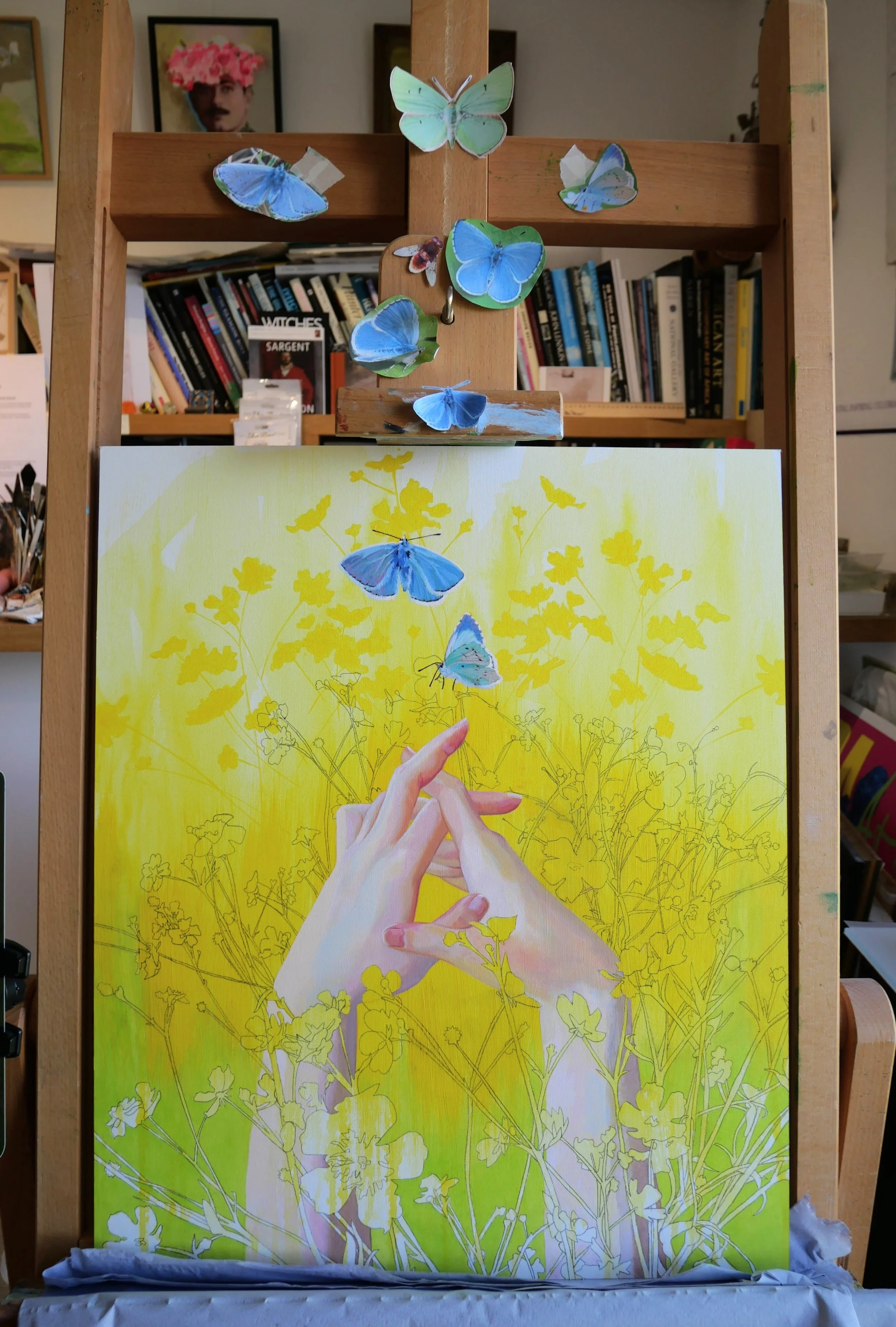
La Primavera, by myself / work in progress

Radical Beauty

June 2, 2026

Beauty in art can still be seen as controversial and not interesting enough to be taken seriously. For the most part, integrity in art has shifted from mere eye-candy to challenging perceptions of what art can be, provoking political thought and getting angry at the status quo, reflecting what it is to be human. And why not - exploring difficult themes is often viewed as the most honest path a serious artist can take. So why is the art that holds up a mirror to the modern experience more weighty? Why can’t we also find a place in contemporary art for a kind of transformational art? As Waldemar Januszczak would say, “escape the rubbish tip of the modern urban experience” - where we can push past the depths of the human experience, into an unexpectedly deep space that magically opens up into some kind of Utopia. Just for a brief moment.

What could be so disagreeable about that? 

Well, it questions all sorts of assumptions about the present moment, and why we feel the need to escape and dream that the human condition could be better, more just or equitable. As the erudite author Katherine Rundell was once quoted, “I believe in the human project - I believe in the creation of beauty - I believe in gathering flowers even in this hell.” We all know we are living in precarious times, so why not stop and smell the roses. Step away from the daily grind and take a breath. 


Beauty is quite political, when you stop to think about it. Exploring beauty in art can be seen as a rejection of the mayhem and ugliness we experience in the world around us. Therefore, beauty can be seen as a political aesthetic. Hence beauty being a radical choice. If we can create a safe haven in the making of these beautiful objects, our work can be seen as uplifting, dare I say hopeful. It might not be as sexy as angry art, but it’s better for your soul.

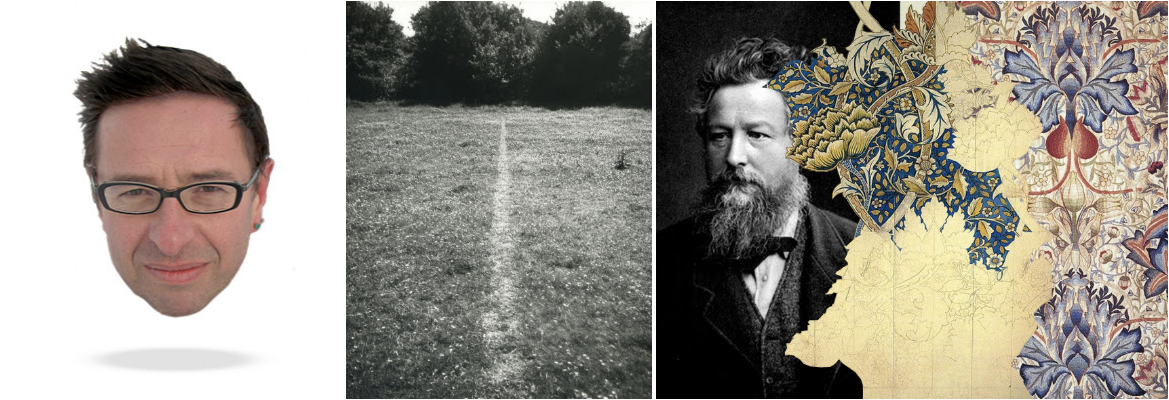
Waldemar Januszczak Richard Long - A line made by walking 1967 William Morris

Walking back to Reality

April 24, 2026

I’ve always admired and loved Waldemar Januszczak aka ArtyWaldy’s sharp-witted mind, penetrating the art world with his insights and engaging opinions. For example, in this article, Sick of Modern Life?, he writes about one of my all time heroes, Richard Long's 2006 exhibition "The Time of Space";

“Nobody in art has sought as strenuously to escape the rubbish tip of the modern urban experience, or tried so doggedly to walk his way back to reality, as dear old Long. Serious, hard-working, slow-burning, poetic, resonant, unsensational, unfashionable, uninterested in sex or clothes or money or celebrity or Jodie Marsh’s nose, in love with the landscape, obsessed with effort, bursting with affection for an old pair of boots, this superbly uncompromising purveyor of action art is a living antidote to all the bullshit that passes in our times for stuff of value.”

This quote could indeed be transferable to my current obsession, William Morris. A man seeking to walk back to reality, through his art and activism. William Morris, the father of the Arts & Crafts movement, was born in 1834. He dug deeply into each of his many interests, leaving a rich seam of inspiration for artists and thinkers.

He may be known as the wallpaper guy but his ideas are still relevant today, as a model for sustainable living and a critique of overconsumption, industrial production and eco-socialism.

"Viva William Morris!" Watch this space.

musings on Righteousness

April 22, 2026

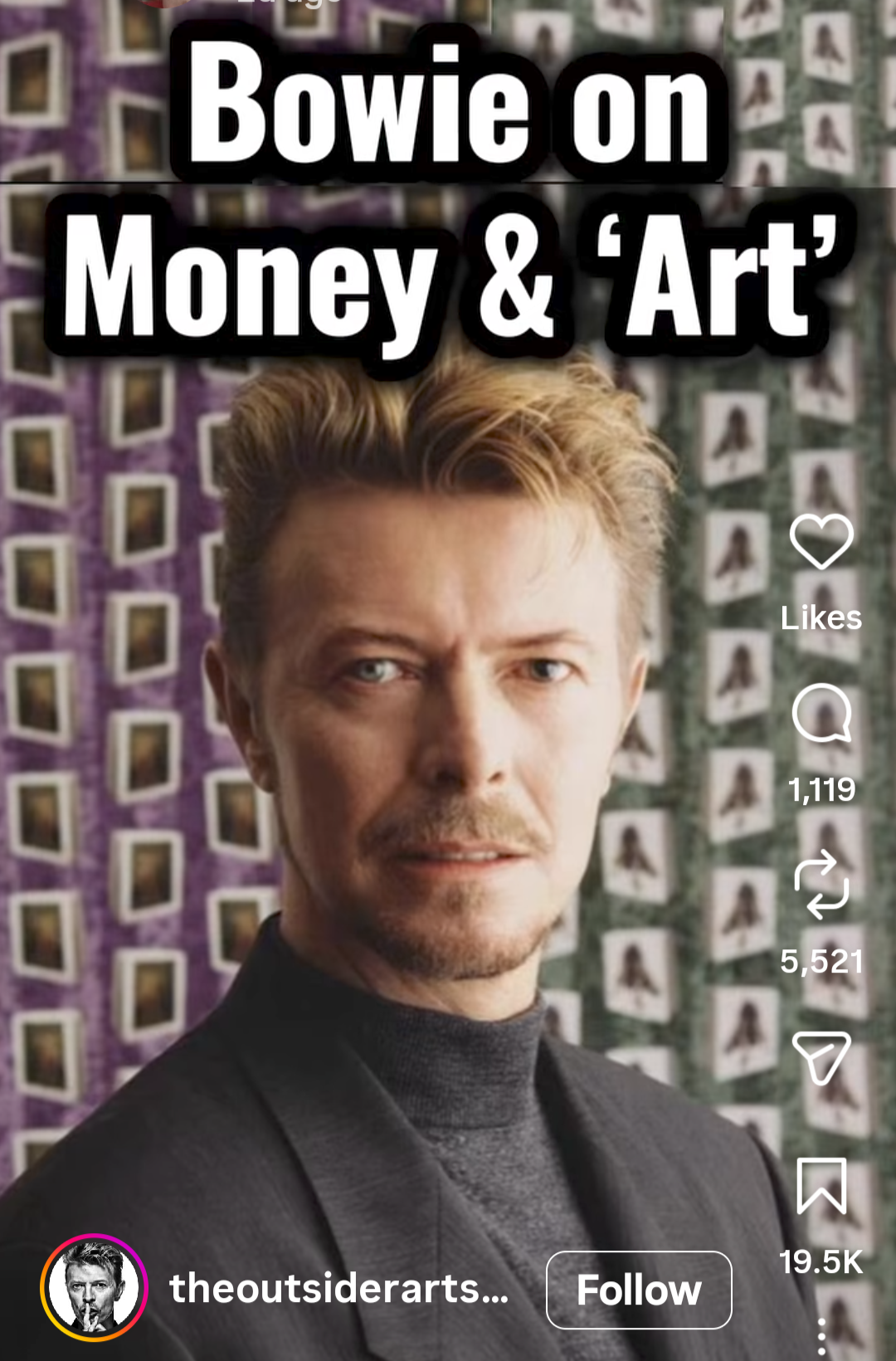
On the subject of snobbery in the art world, I came across this Bowie interview - here’s the transcript.

“The art world is basically a commerce establishment. A perfect example is, that there were many Signers or Graffiti artists working in the late 70s and early 80s. Why should it be that only 2 or 3 of them (Scharf, Haring, Basquiat) were elevated to a point that there was something special about these guys? It behoves the art establishment to elevate them to a higher plateau as fast as possible to make them unavailable aesthetically to a lower art market. Consign the idea of art to a particular world. It’s fundamental to keep an established art world that the mystery is kept in place, because once it falls into the hands of the proletariat, that the ability to make art is in fact inherent in all of us, it demolishes the idea that art is commerce and that’s no good for business.”

So could the art world masquerade behind the guise of “good taste” and scarcity, which in turn creates demand which in turn inflates the value of the commodity.

And so the pretentious few are not necessarily the connoisseurs - they are businesses protecting their assets, their markets. Value judgements might not be about the art at all. As Bowie says, art is for all and in turn should speak to all.

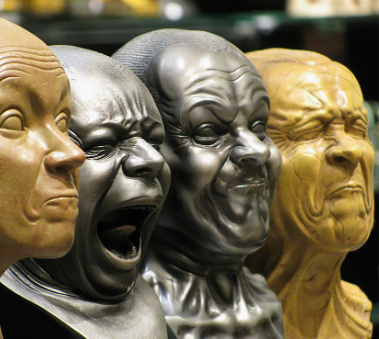
Franz Xaver Messerschmidt’s "Character Heads" (c. 1770–1783) are a series of around 60-69, often grotesque, self-portrait busts featuring extreme facial expressions, now recognised as masterpieces of 18th-century art

Curious about how artists are seen by non-artists - Part 2

April 22, 2026

I was at a seminar recently. The academic speakers are considered the most highly regarded in their fields and I felt deeply privileged to be there, experiencing it all. It was a packed itinerary, but there was something else that caught my attention. I was, for the first time, encountering how artists must be seen by those in art academia. In the line-up of artists invited to present their work on the subject, I couldn’t help but see stereotypes galore.

There was the entertaining artist, bringing the party artist, the fun-time guy, beginning proceedings with a bit of audience participation.

Then there was the academic artist. The guy who only speaks artist-speak. He’s not interested in audience engagement, in fact he’s quite disdainful of the non-artist and is keen to alienate the uninitiated! Which in itself could be seen as quite anarchic or amusing. But from this speaker and his choice of lecture delivery, it felt utterly pretentious.

Then regrettably the fragile artist’s muse turned artist. I couldn’t engage with her presentation out of fear of her being exploited by the art system. It felt like she was acting out a persona projected upon her, having internalised it over many years - from a vulnerable young teenager to now, a grown woman.

So what I'm questioning is how we are seen by the non-artist. How we can be a useful interlude, great for entertainment, reinforcing the artist as an eccentric, a curiosity. Dare I say, objectified.

There is so much to unpack here. I have no answers, only my personal observations, which could be read as utter trite cliché.

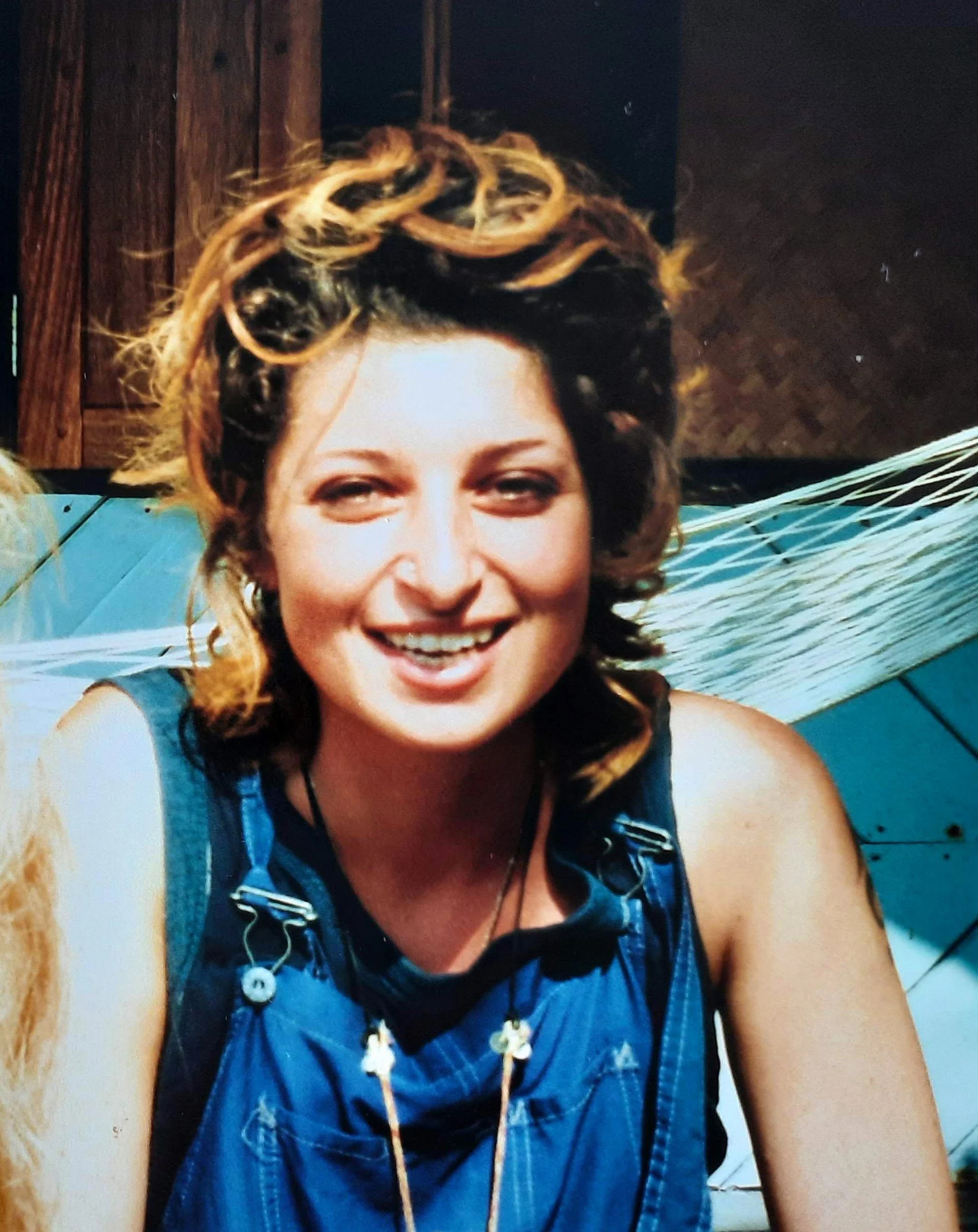
Me c.1995

Curious about how artists are seen by non-artists - Part 1

April 22, 2026

I was about to lead a workshop for adults a few years ago. As I entered the room I heard someone say, “She’s not the artist. She doesn’t look arty enough!” I had to laugh inwardly but with steely determination I showed them who the artist was. And as a result, gained their respect. You see what they didn’t know was, I was once a young art student and I was very concerned about fitting the “artist narrative”. I was Vegetarian for ethical reasons (tick). My nose was pierced (tick). I had multiple ear piercings (tick). Henna died hair (tick). Army& Navy surplus store clothes (tick). And of course the “right” record collection (tick). But who was I kidding! I was lost and had no direction.

So I walked away from “being an artist” for a number of years and trained as a teacher. I loved being a facilitator, teaching practical skills and opening up a child’s imagination - showing them how to think creatively and to be more Leonardo da Vinci than Sam Altman. But what I wasn’t interested in was being an art educator, teaching through a smart board presentation from behind a laptop, collecting data for an outmoded education system - a system ill equipped to understand that human ingenuity will better prepare our children’s children for the future - not the repetition of known facts, not the status quo in which education has sat comfortably for far too long.

However, it was as a result of teaching, and the need to look further afield that I found the fire back in my belly - to have another go as a career artist. It has taken me a number of years to actually call myself an artist again and here I am.

Sometimes you just have to be terrible at what you do, to get better at what you do.

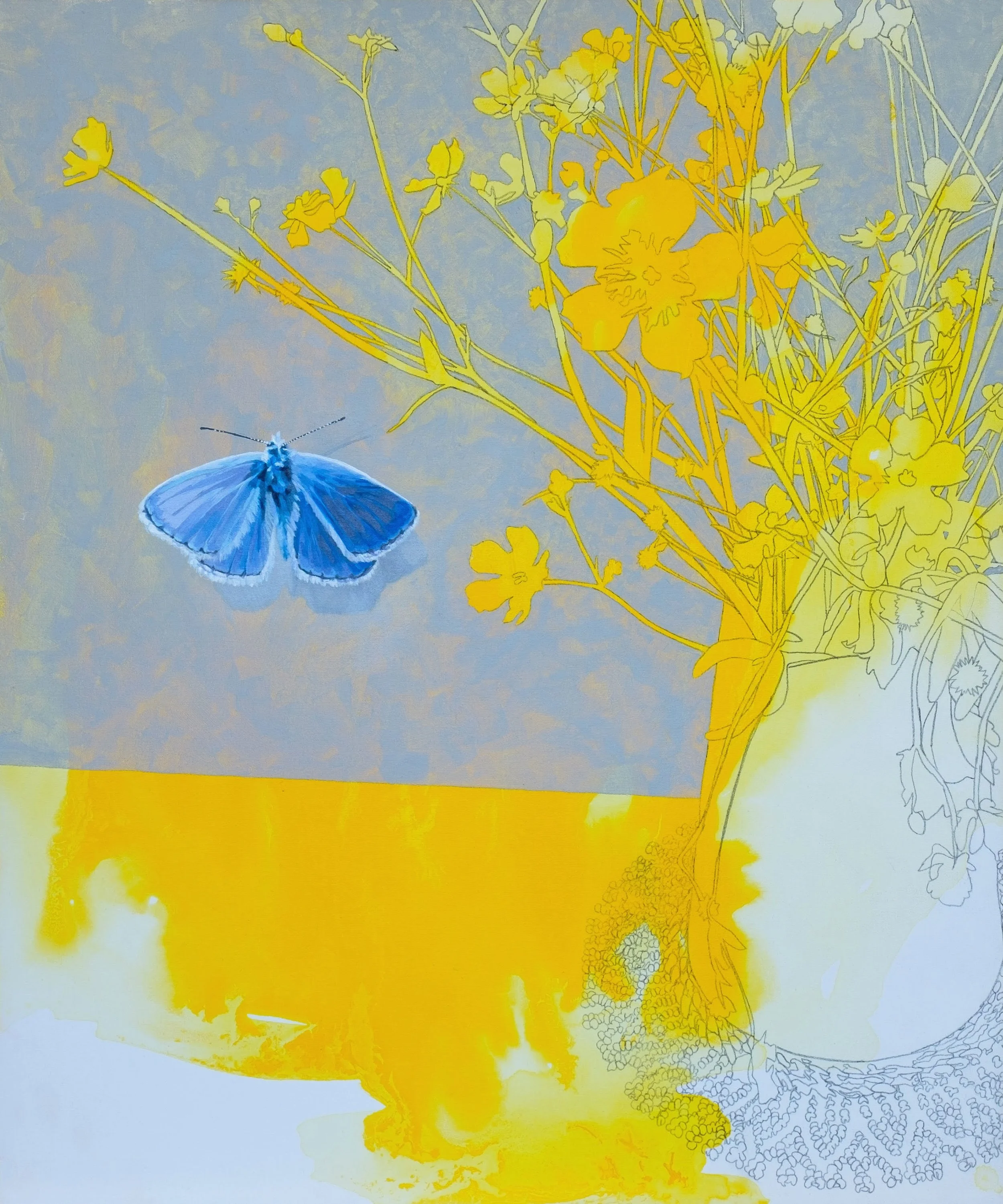
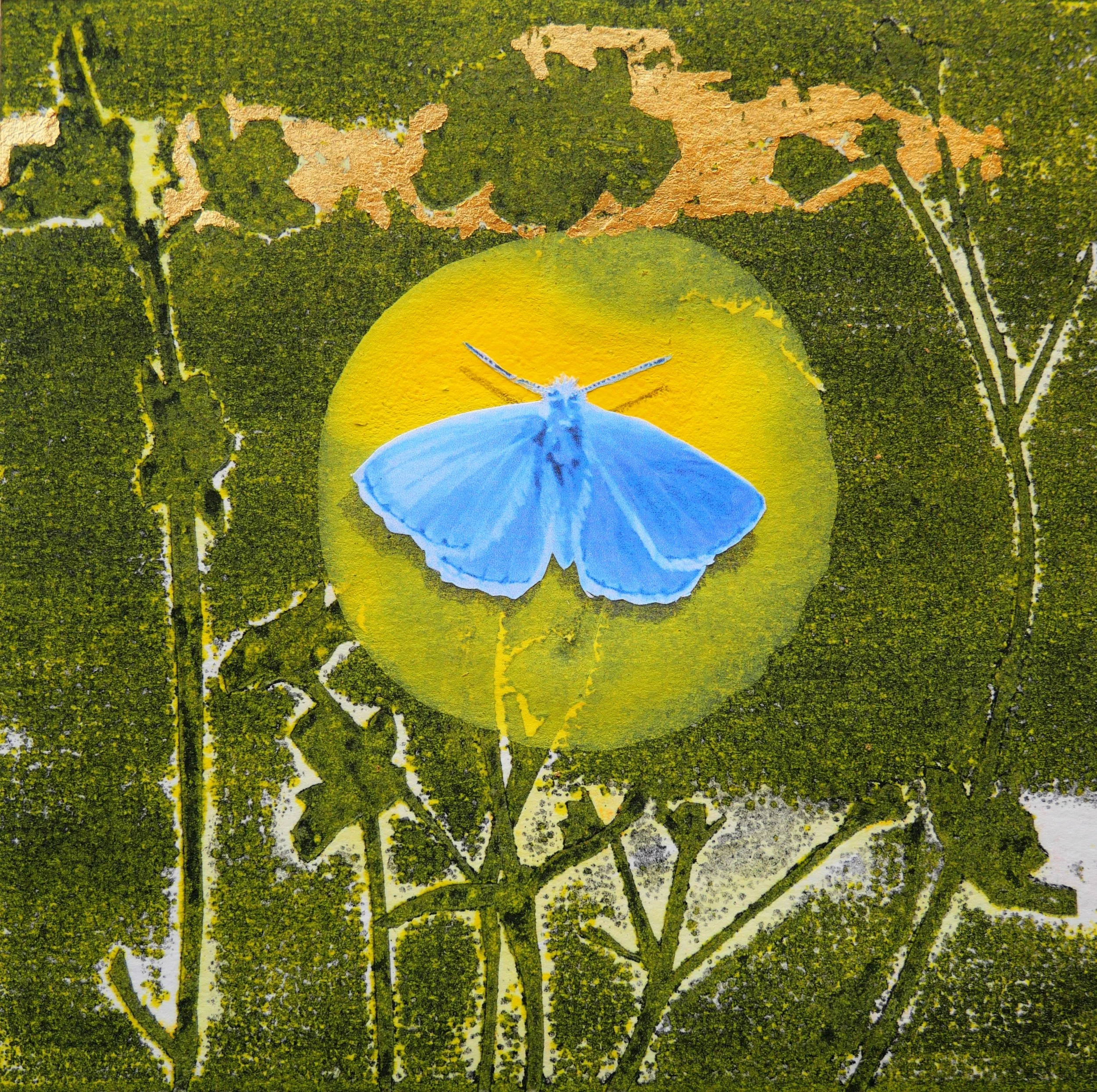
“Meadow Flowers with Polymmatus Icarus” by me.

Art for Ukraine

April 21, 2026

My initial idea for Art for Ukraine began during the first week of the illegal invasion of Ukraine by Russia, in February 2022. I was desperately sad about the situation and felt I needed to do something in solidarity with the Ukrainians.

So I donated an artwork to raise money. But I was also concerned that if I were to donate to a generic aid organisation, the money might not get through to the right channels. So I reached out to a local humanitarian aid worker, Sarah Griffith MBE. I told Sarah I'd like to give to SAMU charity, with whom I knew Sarah had worked closely alongside for a number of years.

So, that Saturday evening, with the support of Sarah’s facebook community, as well as my own, I opened bids on my piece of artwork. The auction closed at 10pm. And the closing bid for “Meadow Flowers with Polymmatus Icarus” came in at £1,500, plus another donation of £1,000.

From that moment, I realised this was an opportunity to hand over the reigns to other artists in the Bailiwick. Over the following weeks more than 30 artists took part in the initiative, raising over £10,000. And every single penny went to SAMU medical charity.

Plus, thanks to Hayley Bachelet of Sula Gallery, the Art for Ukraine initiative had a physical presence on the island too. Each week a new set of donated art and craft works went on display for auction.

My mantra for this initiative was, “A life not lived for others is not a life.” Every penny raised went to help those in need. And as an added bonus, donors could treat themselves to beautiful works of art.

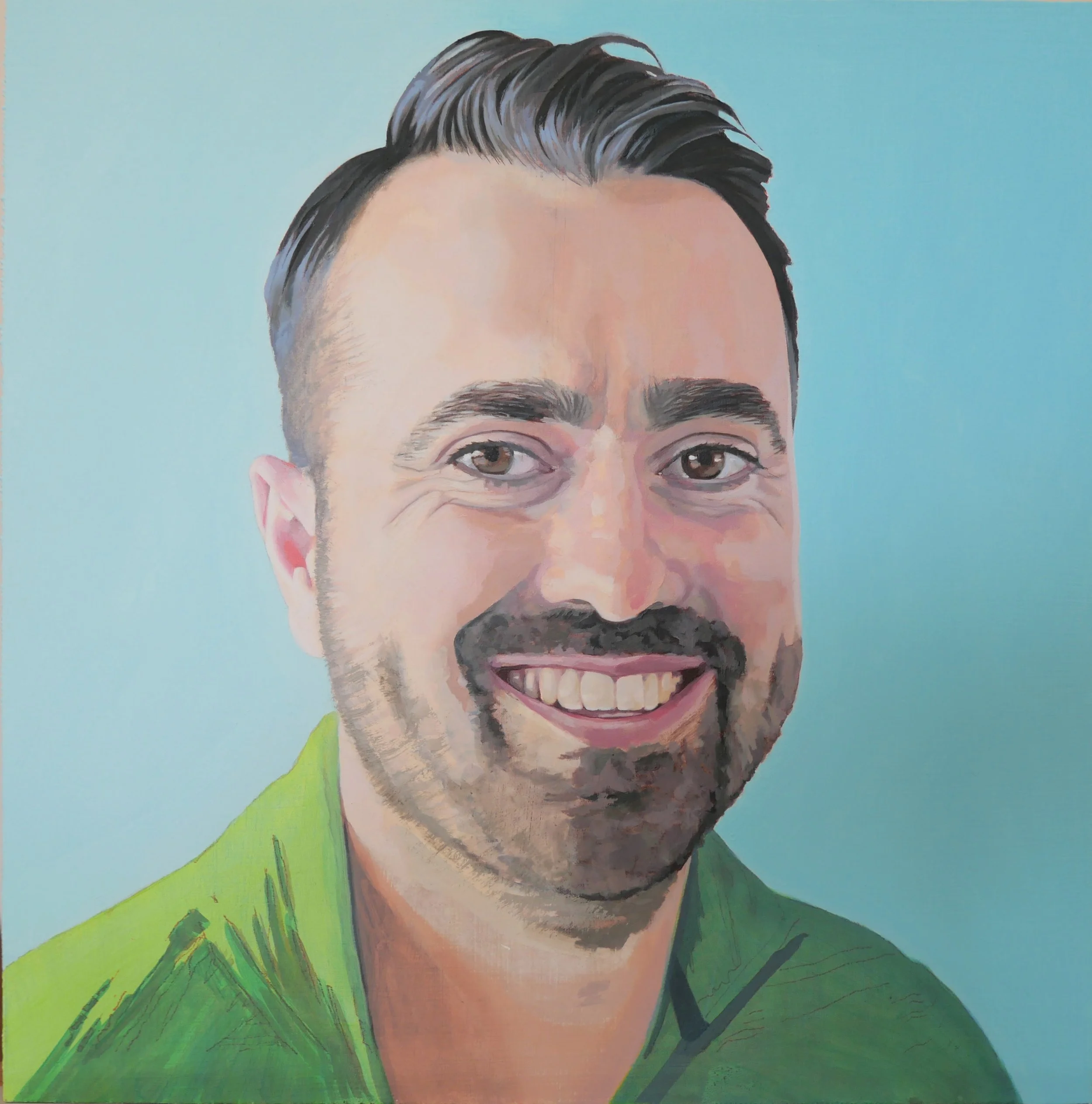
Frederick Kelleher - portrait number 3 of 6 / 2025 by me.

Kelleher commission : 20 years in the making

April 21, 2026

John Kelleher, a high profile lawyer in Jersey (Channel islands), has commissioned me to paint his children’s portraits for the past twenty years, for his wife Cathy. For each decade of celebrating her significant birthdays, he has asked me to paint their three sons.

However not only was 2025 Cathy’s sixtieth birthday, but it was also a year to celebrate their youngest and middle sons’s marriages and the birth of their first grandchild, to their eldest son.

It has been a real honour for me to be commissioned by, and to walk alongside this generous and welcoming family, over the past two decades.

I’m already bracing myself for the next commission, assuming they will want to include the grandchildren too? I’d better block out the whole year for that commission!

For private portrait commissions for any occasion, celebration or commemoration, please send me a message via the CONTACT page on this website.

Coronavirus Gratitude Portrait - Lockdown 2020

April 21, 2026

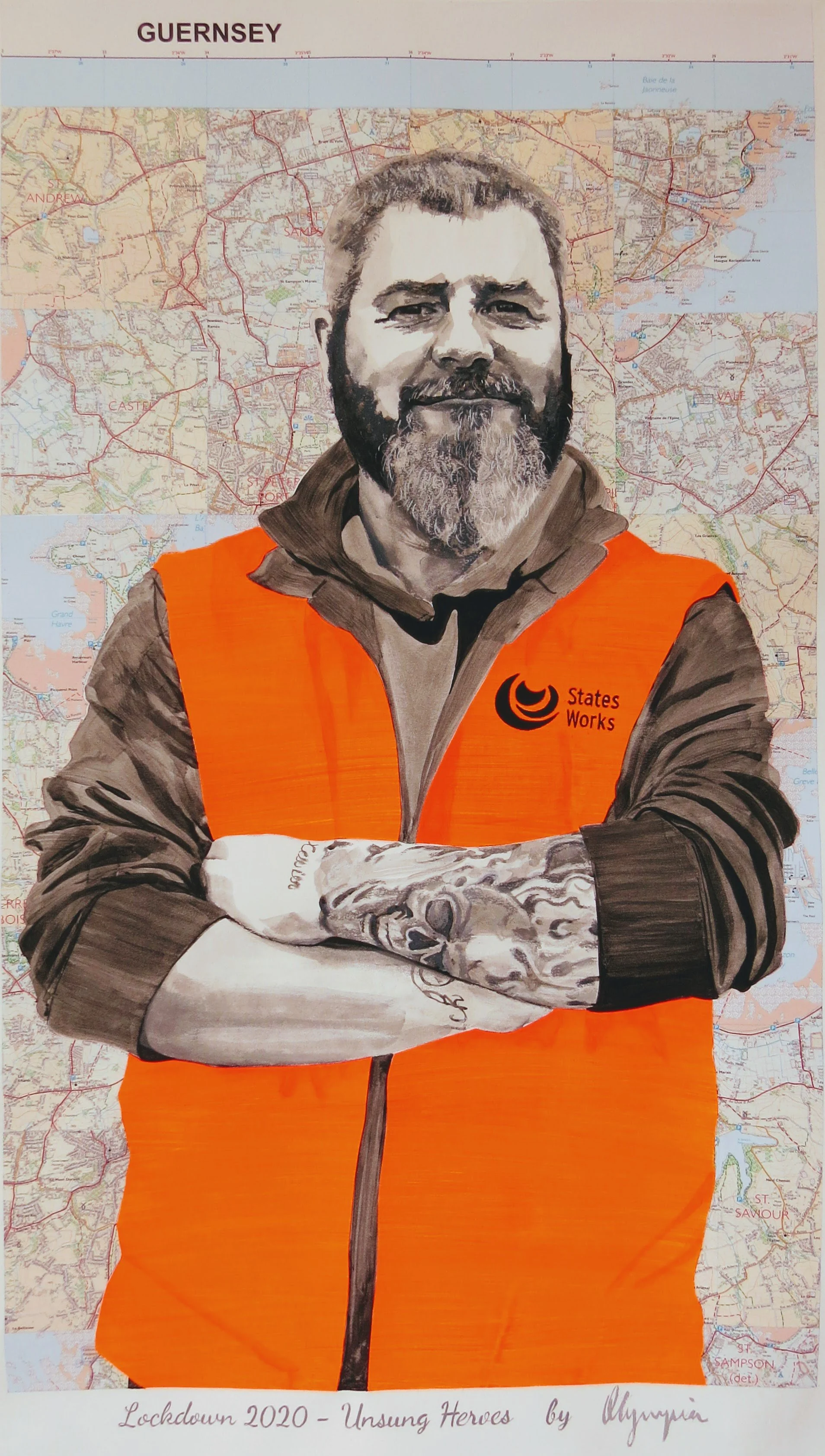
This is Mick Lowe. During 2020, he was a Refuse Collector for Guernsey States Works. His rounds included the local general hospital and residential homes. He came into contact with a lot of dangerous materials over the covid crisis, and was dedicated to keeping our island home safe from these contaminated biohazards.

I'm sending out my thanks and gratitude to all the unsung heroes, who's good work may have gone under the radar, during those troubling times.

The portrait became part of the 87 Days exhibition at the Princess Elizabeth Hospital. The exhibition displayed artworks representing the number of days the Bailiwick was in it’s first full lockdown.

My portrait of Mick is now in the permanent collection of the Guernsey Museums, ref. GMAG 2023.11

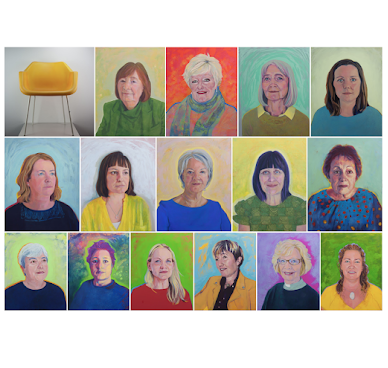
My Amazing Women! Yellow Chair Portraits / 2018

amazing women! yellow chair project

April 21, 2026

In November 2016, I approached Guernsey Arts with the concept, Amazing Women! Yellow Chair Portraits. My pitch was for a celebratory exhibition of portrait paintings of women from within the island community. I chose these women for their contributions to the happiness of fellow islanders, as well as communities further afield. My wish list of amazing women included; Sarah Griffith MBE, Rev. Linda Le Vasseur, Susan Wilson MBE, Janet Wakefield, Jean Owen, Sasha Kazantseva-Miller, Catherine Best, Anita Davies, Anna Smith, Teresa O’Hara, Valerie Winn, Connie Armstrong, Karen Blanchford and Dame Mary Perkins. To my absolute joy they all said “Yes” and so the process began.

I created a platform in my studio, upon which sat my yellow plastic Robin Day chair (Habitat c.1998). This is the chair on which all of my Amazing Women sat. Symbolically, the yellow chair was egalitarian in its purpose and functionality, and undeniably a humble statement about the sitters and their willingness to volunteer their time and their support for my project. Without their can-do-attitude, the exhibition would never have happened.

With a fast approaching deadline and 15 portraits to complete for January 2018, it was very early on that I realised I would have to standardise the format of the paintings. They would be life size and all on the same eye-line. Not only would this create a sense of cohesion, but would provide the sitters equal status and recognition. Each would occupy the same amount of space in the gallery and also allow for the same amount of focus by the viewer.

The further I journeyed into the project, the more significant the subject matter became. 2018 was celebrated as the Year of the Woman, as well as 100 years since some women achieved the right to vote in the UK. Highlighting the achievements of women and their contribution to a better society was inspirational for my work as an artist.

During my exhibition,  International Women’s Day was celebrated on Thursday 8th March 2018 with school visits to the exhibition, guest speakers in the Frossard Auditorium and the exhibition was chosen as a venue for Deloitte to hold their annual IWD gathering. With the help of Candie Museum and Guernsey Arts, the Museum was also granted free entry for the day, which was generously sponsored by a local business.

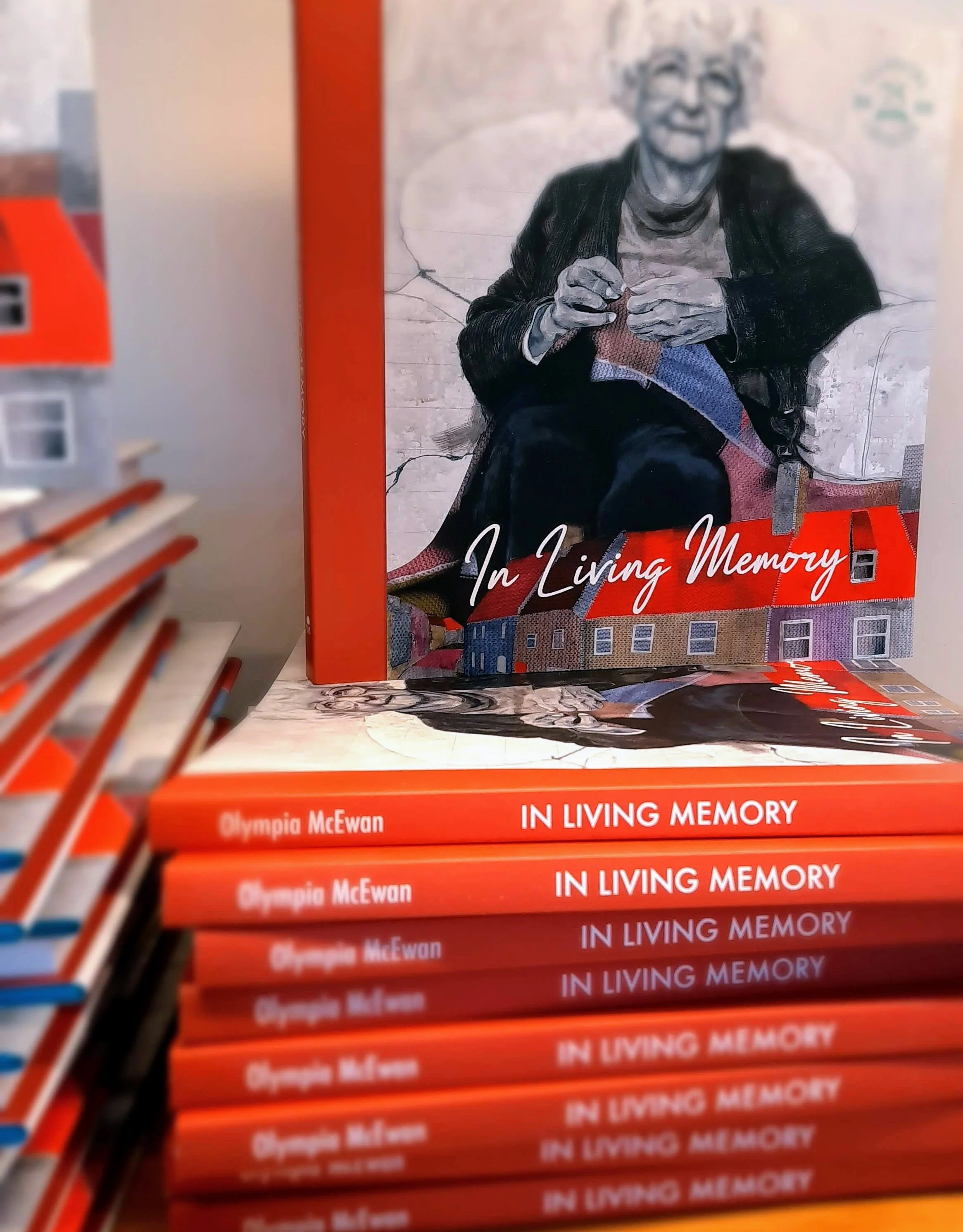
IN LIVING MEMORY

April 21, 2026

“Heartfelt stories and images, together commemorating the freedom we enjoy today” Dame Mary Perkins

2020 marked the 75th anniversary of the Liberation of the Channel Islands, by the occupying German Forces during WW2. Stories of the Occupation continue to inspire generations of artists, poets, historians and writers. In Living Memory is a collection of contemporary visual arts, original essays and poetry, plus first hand memories of those who survived the war years and wish to share their memories - some for the very first time.

There are nearly 30 contributors to the book, including “The Guernsey Literary and Potato Peel Pie Society” co-author Annie Barrows, the world renowned artist and Guernsey-man Chris Foss (whose concept art is sought after by the movie industry for films such as Dune, Superman, Alien, Flash Gordon and Marvel’s Guardians of the Galaxy) plus Gilly Carr, author, Cambridge University Senior Lecturer and founder of the frankfallaarchive.org which details the stories of Channel Islanders deported to Nazi prison camps.

As curator and coordinator for this wonderful group of artists, poets and authors, I was fortunate enough to meet and interview survivors from the islands of Guernsey, Alderney and Sark. From these interviews, I created monologue style narratives from the transcripts of their conversations, giving colourful firsthand insights into the lived experience of this special generation. There are also other survivors who were willing to share their memories in essay form, written by themselves.

The book is published by Blue Ormer and the printing costs have been covered by Dame Mary Perkins. All proceeds are being donated to Age Concern Guernsey and Alderney.

The book can be purchased on-line at www.blueormer.co.uk

7WOMEN

April 21, 2026

REPRESENTING. INSPIRING. CELEBRATING.

Let’s populate our public spaces with more portraits and stories of notable women.

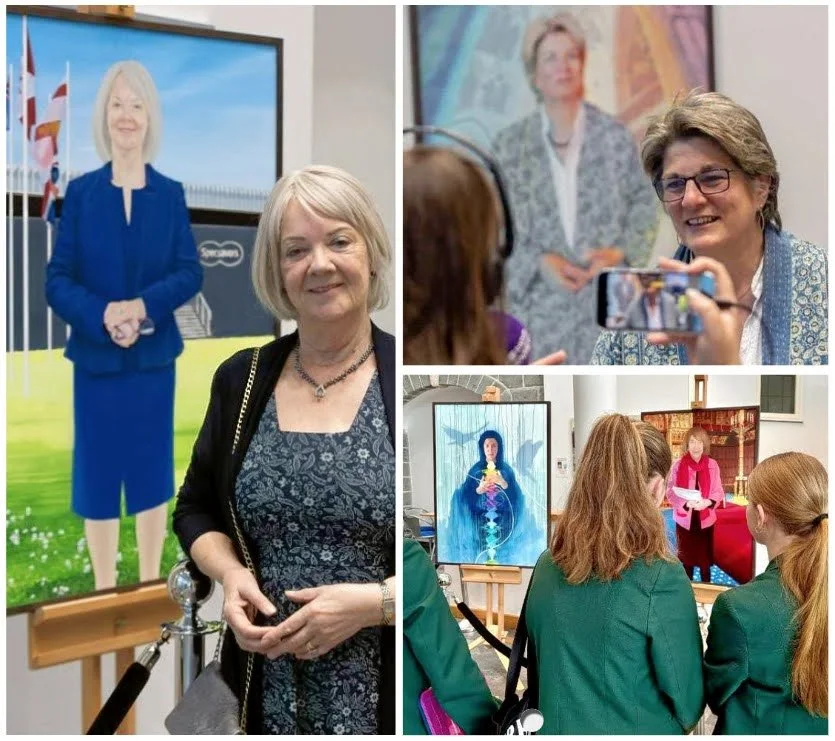
Seven inspirational women, all with connections to Guernsey. Together they formed a celebratory collection of portraits in 2024.

These women have led their professions, broken new ground and inspired change through their relentless endeavour. I chose them all for their outstanding achievements.

The aim for this project for me was threefold. Firstly, to showcase my latest portrait paintings in my series of amazing women, which first began in 2018. Secondly, for the exhibition space to be used by various local groups and schools to gather and discuss how to inspire women of all ages to realise their potential. And finally, to promote the need for more portrait paintings of notable women, in public spaces in Guernsey and further afield.

Local radio studio documentary with Steph Watkins. 26/01/2024

Local radio interview with Jim Delbridge - countdown to the opening. 02/03/2024

My 7WOMEN collection of portrait paintings have now been acquired by Guernsey Museums & Galleries for it’s permanent collection.

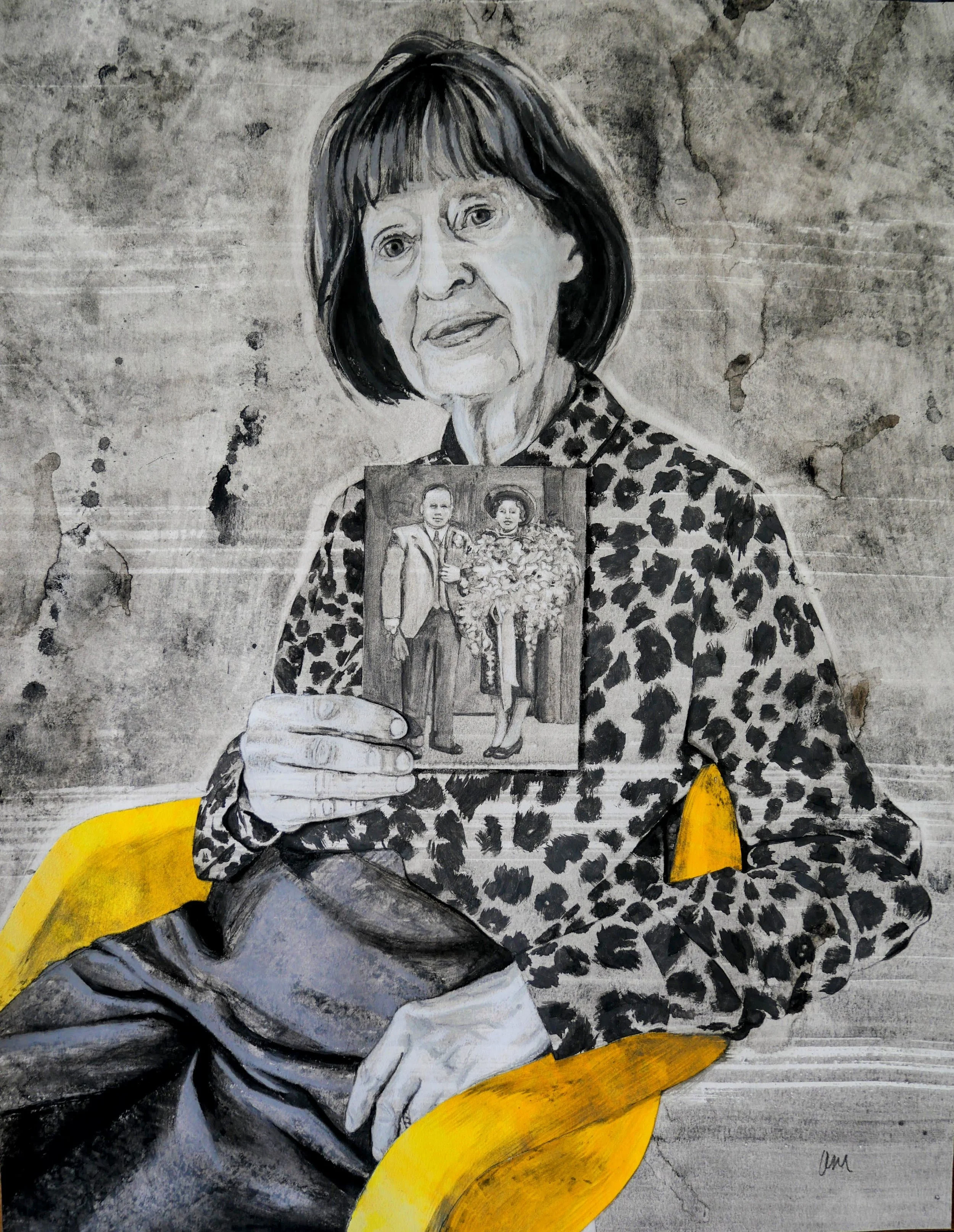
“Maybe this is why we were saved. We should never be silent.” 2025 / by me.

GROUP SHOW : EXILE & RETURN

April 20, 2026

MEDIA RELEASE: “The idea of an artists’ project to commemorate the 80th anniversary of the liberation of the Islands at the end of WWII developed from a chance meeting of local painter, Rosanne Guille, and the Rev’d Dr. Adrian Datta of St Pierre du Bois Church when swimming last autumn down at Fort Grey.  

Adrian coined the exhibition title ‘Exile and Return’ as it echoes and reflects the many narratives he had heard over the last quarter of a century in relation to those who stayed and left the island during the dark days of Nazi occupation.  

Adrian says: “The 80th Liberation Day Celebration is hugely significant in the life of the Bailiwick. Sadly, but inevitably, there are fewer and fewer people around who lived through the Occupation years. It is important that their experiences are honoured, remembered and marked in a very special and clear way. The Occupation Arts Collective is doing this through the medium of the visual arts. It will leave a permanent legacy of this occasion.” 

“This diverse exhibition will represent 12 distinct responses and interpretations of the experience of exile and return. It will be open for six weeks based at the parish church of St Pierre du Bois and also in the Rectory Fellowship rooms.” 

Rosanne says: “Artists are great! They are thinkers, worriers, story tellers and researchers. They illuminate and they bring focus. They make you feel and think things you may not have noticed. Their job is to bring attention to the world around us, whether in relation to beauty, darkness, loss or joy. They also help people make sense of things.” 

“In telling the story of the occupation, the artists involved have created an impressive body of work. We have asked them to tap into their family histories, recollections and experiences, along with exploration of local archives. These rich resources have been used to produce a body of work which illuminates our past to ensure that lessons from history are not lost.” 

Guernsey Arts which is sponsoring the exhibition says: “This year, Guernsey celebrates 80 years of liberation. The Occupation Arts Collective have put together a sensitive and high-quality project examining the years of hardship and sacrifice leading up to this anniversary. The show engages a mix of well-known local and UK

based, artists whilst bringing the arts to the Western parishes. We are proud to support them and look forward to seeing the exhibition in such a wonderful setting.” 

The artists involved are Jenny Aitken, Pierre Datta, Sally Ede-Golightly, Annabel Ede-Golightly, Deborah Grice, Rosanne Guille, Keith Langlois, Olympia McEwan, Fiona Richmond, Adam Stephens, Lou Stephens and Aaron Yeandle.”

INFO ABOUT MY PIECE

“Maybe this is why we were saved. We should never be silent.” by Olympia McEwan 2025 / Charcoal, Liquid charcoal, pastels & collaged papers / 40cm x 60cm.

"I have two very distinct practices. One of portraiture, the other of nature. They are both a reflection of my love for people and their stories, as well as the beauty of the natural world and its fragility". 

My portrait is of an extraordinary woman with an extraordinary story. This is Janet de Santos, and she is holding the wedding photo of her mother and father, Elisabet and Harry Duquemin.

Janet’s mother was from a large Jewish community in Vienna and fled Austria in 1937. She came to live in Guernsey and met Janet’s father, Harry, who was from a well known family of growers and exporters in the area. Elisabet and Harry enjoyed married life living at Cobo Post Office, of which Harry was the postmaster and general stores manager.

However, by the summer of 1940, Guernsey ceased to be a safe haven and Elisabet was required to register as a Jew with the Guernsey Police. Her name was passed to the German authorities and she was subsequently required to wear the Star of David in public places, to live under a night time curfew, to not change address at this time and she was only permitted to go shopping between the hours of 3-4pm.

Elisabet, Harry and Janet were given their deportation notices in February 1943. Janet was 18 months old. But thankfully all three survived Laufen, Compiegne and Biberach camps during those long two years. And all returned to their home at Cobo Post Office by Christmas 1945.

A memorial ceremony was held for Elisabet in July 2024, where a Solpersteine Stone was laid outside Cobo Village Centre, her once beloved family home.

Ecosphere by me.

AKA FLOWERGIRLOM

April 20, 2026

FLOWERs

The subject of flowers for me is an honouring of the beauty of our natural world and it’s fragility.

My nature based painting practise is mainly inspired by my love of Japanese aesthetics, as well as my personal interest in environmental issues. More recently, I’ve become deeply engaged in the writings and activism of the multihyphenate, William Morris - the leading figure of the 19th century Arts and Crafts Movement, his challenge of mass production with an emphasis on nature-inspired design and eco-socialist ideals. 

Flowers can also be read as a symbol of impermanence. They may be delicate and short-lived, and in their various stages, flowers can remind us of the cycle of life and our place amongst all earthly beings.

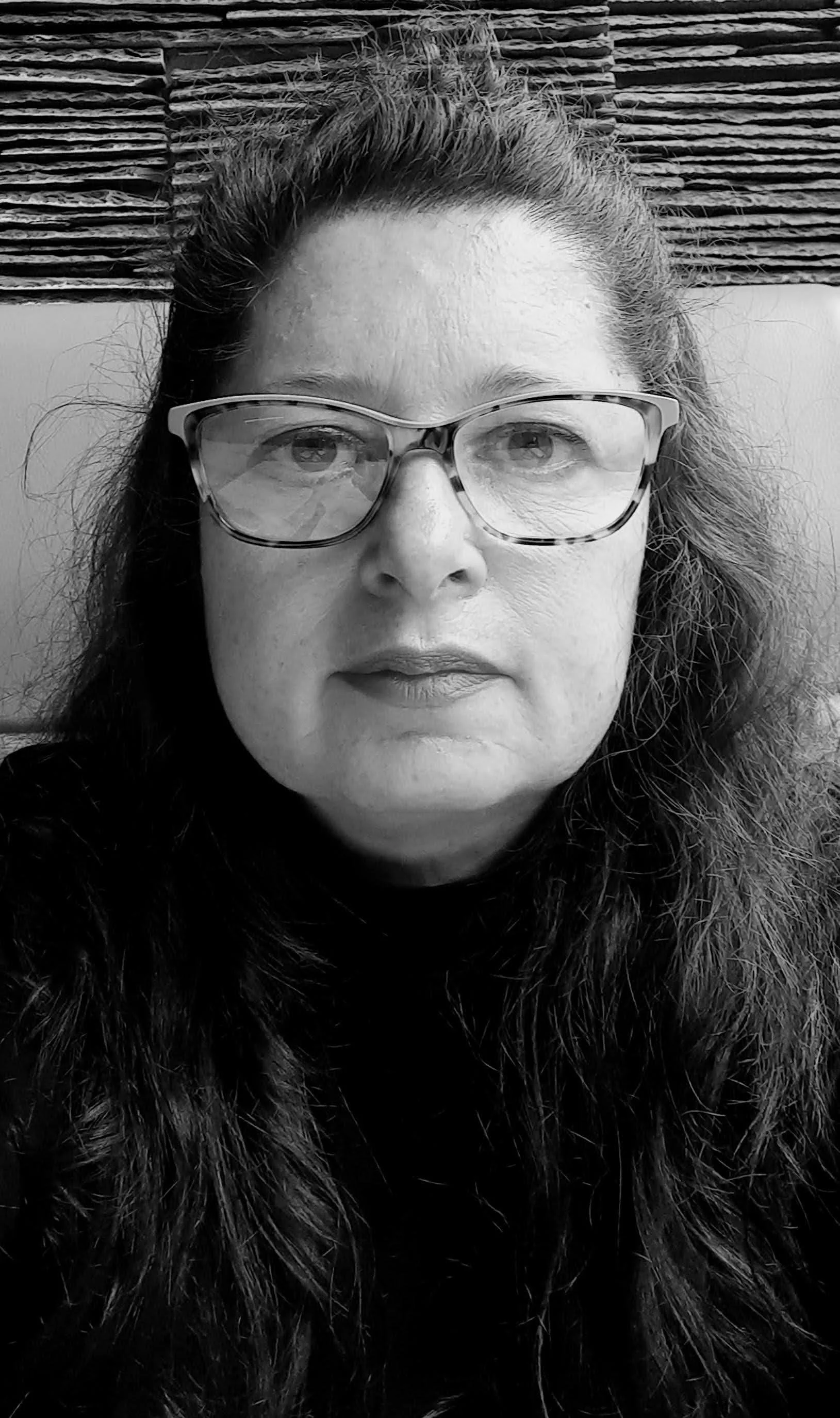
This is me!

A whistle stop tour of who I am and what I've been up to.

April 10, 2026

I’m a visual artist living and working on the small island of Guernsey, in the Channel Islands. I studied Fine Art / Sculpture at Loughborough College of Art & Design, graduating in 1993. I choose to combine portrait painting with my passion for story telling, activism and the natural world. It’s the subject that inspires me, and my work is a joyful reflection of my love of people and their stories, as well as the beauty of nature and its fragility in these chaotic times.

I have had several exhibitions on the island, as well as in Jersey and the UK. In 2018, I was invited by Guernsey Arts to have a solo show in their Greenhouse Gallery at Candie Museum. The exhibition was a campaign project called Amazing Women! Yellow Chair Portraits of fifteen paintings, all of women from within the island community, who contribute to the happiness and welfare of islanders, as well as the lives of many in communities further afield.

In 2020, I curated the book, In Living Memory, published by Blue Ormer and championed by Dame Mary Perkins. I invited various contributors to commemorate the 75th anniversary of the Liberation of the Channel Islands; including “The Guernsey Literary and Potato Peel Pie Society” co-author Annie Barrows, world renowned artist and proud Guernsey-man Chris Foss (Dune, Superman, Alien, Flash Gordon and Marvel’s Guardians of the Galaxy) plus Professor Gilly Carr, author, Cambridge University Senior Lecturer and founder of the frankfallaarchive.org . “Heartfelt stories and images, together commemorating the freedom we enjoy today.” Dame Mary Perkins

In early 2022, during the first week of the illegal invasion of Ukraine by Russia, I set up the Facebook initiative, called Art for Ukraine. More than 30 artists joined the campaign to raise money for medical aid, and collectively we raised over £10,000. Every penny went to SAMU (www.SAMU.es).

It was also a great honour for me, to have my In Living Memory book presented to Prince Edward, Duke of Edinburgh and Sophie, Duchess of Edinburgh, as a gift from the island on Liberation Day, 9 May 2022, during their visit to Castle Cornet.

In May 2023, I held my Ecosphere solo show at the National Trust of Guernsey / Art at the Park Gallery. This was the culmination of four years of my nature paintings. The main focus being my love of wild flowers, their pollinators and the fragility of our natural world.

In 2024, I continued with my campaign for more portraits of women in public spaces with my 7WOMEN project - seven inspirational women, from many walks of life formed this celebratory collection of portrait paintings, culminating in an exhibition in the Great Hall at the Royal Court building in Guernsey. These women have led their professions, broken new ground and inspired change through their relentless endeavour. I chose them all for their outstanding achievements.

May 2025 commemorated the 80th anniversary of the end of the German Occupation of the Channel Islands. I took part in a group show called Exile & Return, an eclectic mix of disciplines culminating in an emotive show reflecting on the various stories of individuals and subject matters, inspired by this important moment in the history of the islands.

I am now focused on a major new project around the subject of William Morris and his connection to our island. Watch this space!

Latest Posts

A whistle stop tour of who I am and what I've been up to.

April 10, 2026

AKA FLOWERGIRLOM

GROUP SHOW : EXILE & RETURN

7WOMEN

IN LIVING MEMORY

amazing women! yellow chair project

Coronavirus Gratitude Portrait - Lockdown 2020

Kelleher commission : 20 years in the making

Kelleher commission : 20 years in the making

Curious about how artists are seen by non-artists - Part 1

Curious about how artists are seen by non-artists - Part 2

April 22, 2026

MUSINGS ON Righteousness

WALKING BACK TO REALITY

© Olympia McEwan 2026